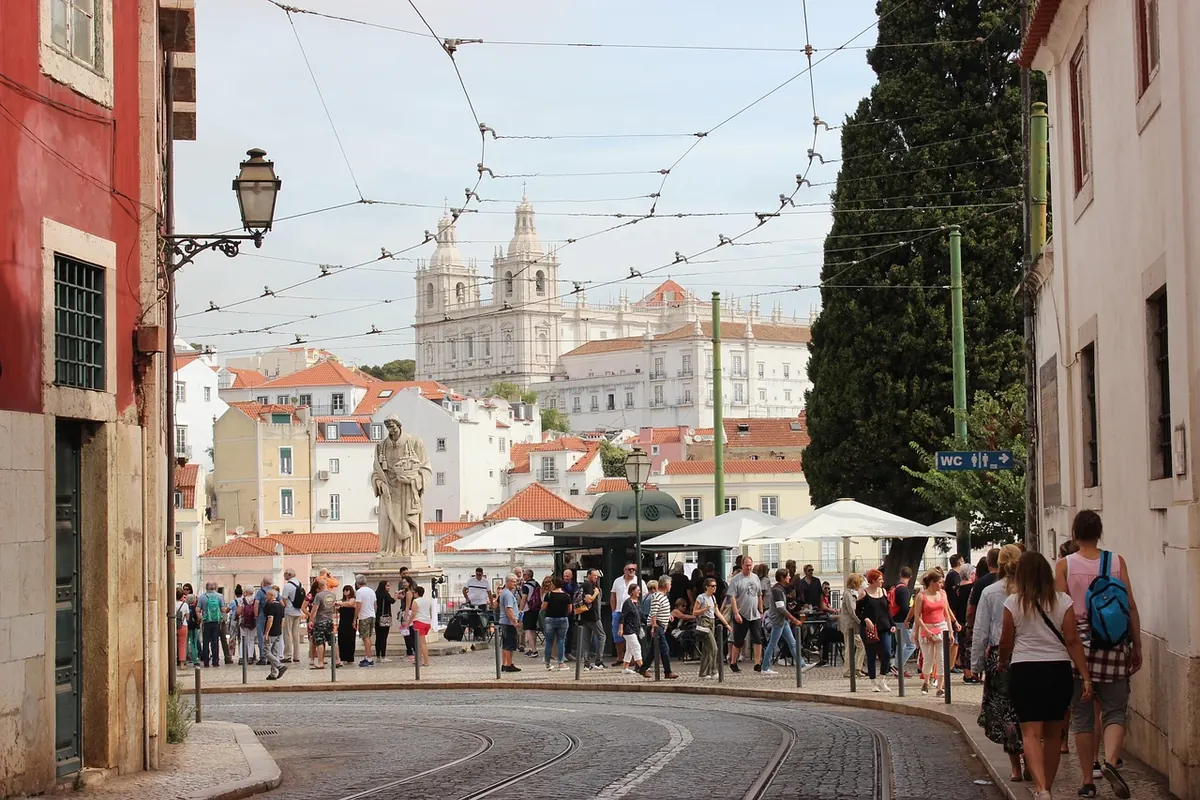
A Local's Guide to Affordable Eats in Lisbon
A practical guide to eating well and cheaply in Lisbon, from family-run tascas and market counters to...

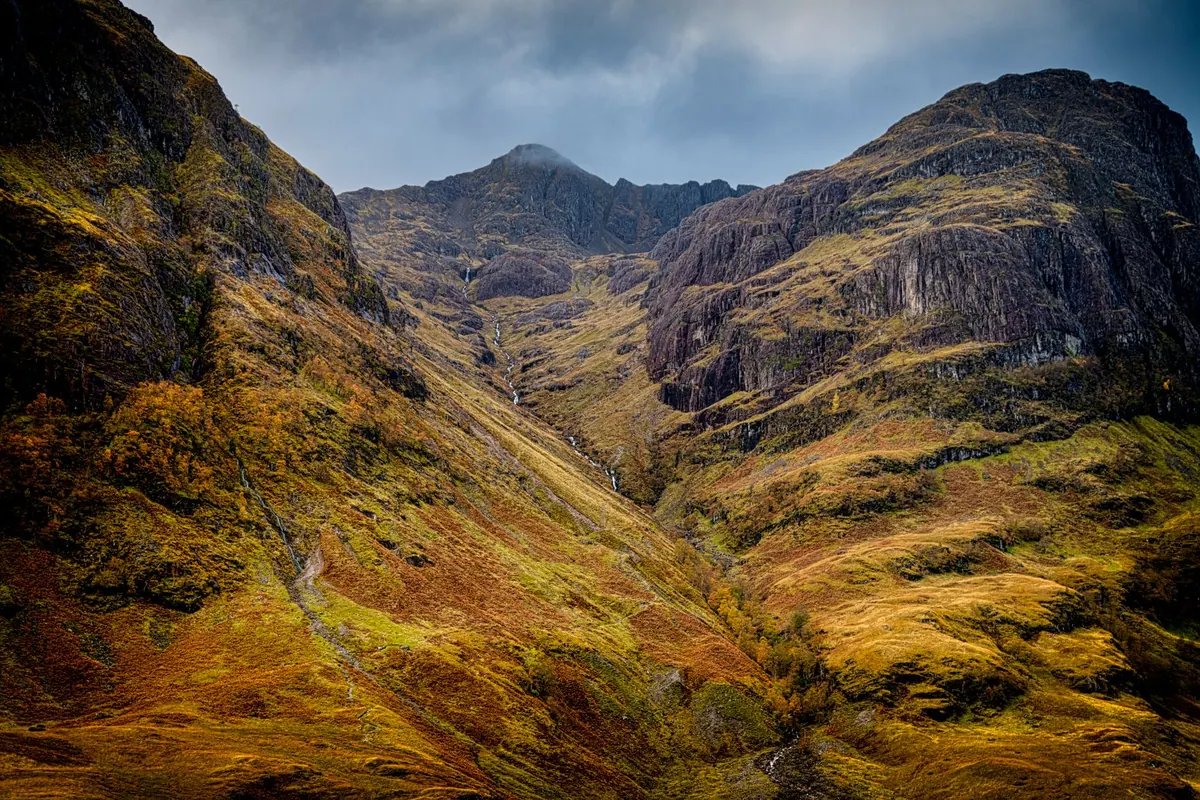
The Scottish Highlands don't have one best season — they have several, and the right one depends on how you feel about three things: rain, midges and how many cars are already in the car park when you arrive. Time it well and you'll get empty glens in golden evening light. Time it badly and you'll be eating your sandwiches inside a head net in the drizzle. Here's what each stretch of the year actually feels like.
Weather. The west coast and the islands take the brunt of Atlantic fronts, while the east around Inverness, Aviemore and the Moray Firth is drier and often brighter. Conditions change fast: a clear morning can turn into horizontal rain by two o'clock, then clear again for a luminous evening. Forecasts are useful for tomorrow and unreliable for next week, so plan flexibly and carry waterproofs whatever the icons say.
Daylight. Inverness in late June gets well over 17 hours between sunrise and sunset, and even after that there's a long twilight — the simmer dim. By late December you're down to roughly six and a half hours of low, slanted light. The same walk is a relaxed afternoon in June and a headtorch job in November.
Midges. These tiny biting flies are around roughly from late May to September, peaking in July and August. They dislike wind, strong sun and dry heat, and they love still, damp, overcast conditions, dawn and dusk, and the sheltered side of a loch. Exposed coasts, breezy glens and high ridges are far clearer. Check the daily midge forecast before committing to a long walk or a night under canvas.
For many people this is the best-balanced window of the year. Daylight is at its longest, north-facing gullies still hold snow patches, car parks are manageable, and the midge season is only warming up — you'll meet them in damp, sheltered spots, but rarely in the clouds of legend. This is also the season for bluebell woods on the west coast and the first orchids on the machair of the Outer Hebrides.
Weather is the gamble. May can deliver perfect blue days, and it can also deliver sleet on a 900-metre ridge. Pack a warm layer and gloves even in June. If you're heading for a popular Munro like Ben Nevis or the Cuillin, start early; the car parks at Glen Nevis and Sligachan fill by 8am on a sunny Saturday.
This is the busiest and itchiest stretch, and also when the Highlands do their best partying. Highland Games run through the summer in dozens of towns and villages, from Inverness to small agricultural shows on the west coast; the Cowal Highland Gathering in Dunoon in late August is among the largest, and the Braemar Gathering in early September is traditionally attended by the monarch. Expect piping, Highland dancing, heavy athletics and a fair bit of tartan.
On the music side, Belladrum Tartan Heart Festival takes place near Inverness in late July or early August, and HebCelt fills Stornoway in July. Book accommodation and ferries as early as you possibly can — a car ferry to the Outer Hebrides booked a fortnight ahead in August is often full. If you're camping, wild camping is legal in Scotland under the access code, but keep it brief, leave no trace and avoid overcrowded hotspots like Loch Lomond during peak weekends.
For the midges, keep moving, favour ridges and exposed headlands, and save the still lochside picnic for a windy day. They're a nuisance rather than a health risk, but if you react badly to bites, have a word with a pharmacist before you travel. A head net costs a few pounds and can transform an evening.
Midges thin out as the nights get colder, usually tailing off sharply by mid-September, though a mild, still day can bring a late flush. The heather goes over, bracken turns rust and copper, and the light softens. Crowds fall away once the school holidays end, and rooms get easier to find. This is arguably the connoisseur's season for walking: cooler, clearer, and with a fraction of the summer traffic.
It's also a strong season for traditional music: the Blas Festival takes in venues across the Highlands in September, and the Royal National Mòd — the big Gaelic celebration of song, poetry and language — moves to a different town each October. Darker evenings give you a fair shot at the northern lights on a clear night, especially in the far north. The aurora can appear from August to April, but the darker skies of autumn and winter improve your chances.
Some hostels, cafés and attractions shut or run reduced hours, ferries and rural buses thin out, and snow can close the higher passes. The Cairngorm plateau can feel genuinely arctic. Winter hillwalking needs an ice axe, crampons and the skills to use them; without those, stay low or hire a guide. In return you get frosted mountains, empty glens and the darkest skies of the year. It's also the season for cosy pubs, open fires and spotting red deer on the lower slopes.
If you're lucky, you'll catch a rare clear winter day when the light is low and pink, and the mountains look like they've been dusted with icing sugar. Just check the weather and avalanche forecasts daily, and be prepared to change plans.
The Highlands can throw four seasons at you in a single afternoon, so layering is everything. Start with a base layer that wicks sweat, add a warm mid-layer like a fleece or light down jacket, and finish with a waterproof and windproof shell. Even in July, a hat and gloves can be welcome on a summit.
Midges are a fact of life in the Highlands, but you can avoid the worst of them with a few simple tactics. They're weak fliers, so any breeze helps. Head for ridges, coastal headlands or the middle of a large loch if you're in a boat. They're most active at dawn and dusk, so plan your walks for the middle of the day, or retreat indoors for a long lunch.
If you're camping, choose a spot with a bit of wind, not a sheltered glen. A tent with a good mosquito net is essential. Smidge is a popular local repellent, and citronella candles can help around a picnic table. But sometimes, despite everything, they win. That's when you retreat to a pub, order a pint of ale and a plate of seafood, and remind yourself that you're in one of the most beautiful places on earth. The midges are just part of the mood.
There's no such thing as bad weather, only the wrong clothing — and in the Highlands, a sense of humour helps too.
Photo: Robert Hacker / Pexels
A practical guide to eating well and cheaply in Lisbon, from family-run tascas and market counters to...
From school holiday pricing and cancellation terms to hidden fees and misleading locations, here's how to...
How to break Britain's longest National Trail into manageable day sections, with practical advice on...