
A Local's Guide to Affordable Eats in Lisbon
A practical guide to eating well and cheaply in Lisbon, from family-run tascas and market counters to...

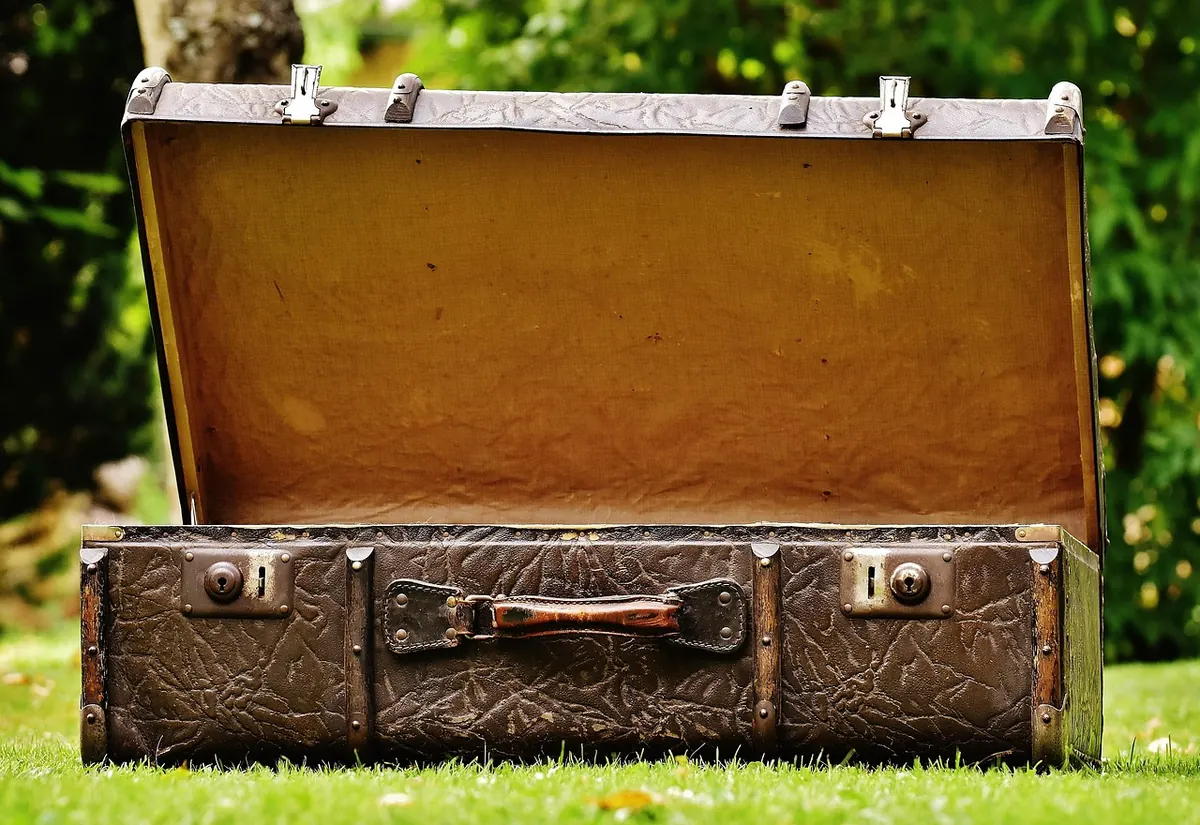
Two weeks of travel with nothing but a cabin bag sounds ambitious until you try it once. Then it becomes hard to go back. No queue at the carousel, no risk of your bag landing in a different country, and no fee for the privilege of checking one in. The trick is not simply packing less, but packing better: a small, deliberate wardrobe that mixes and matches, compressed into a bag that still fits the sizer by the gate.
Before you choose a single item of clothing, find out what you are actually allowed to take. Allowances vary widely between airlines and change from year to year, so check your carrier's website directly rather than relying on a blog post from three years ago.
As a rough guide, most UK carriers offer two tiers: a larger cabin bag (commonly around 55 x 40 x 20 cm) with a weight limit of roughly 7 to 10 kg, and a smaller personal item (roughly 40 x 20 x 25 cm) that must slide under the seat in front of you. Budget airlines often include only the small bag on the cheapest fare, with the bigger one costing extra. Measure your case at home with a tape measure, then weigh it on kitchen scales. A bag that passes every test except the weight limit is the most frustrating way to start a holiday.
For a fortnight, plan on roughly a week of clothing and wash halfway. Seven days of clothes, worn in rotation, feels like far more than it sounds when everything works together.
Now choose a palette. Pick a base colour — navy, black, charcoal or stone — and one accent that lifts it. If every top works with every bottom, you have around thirty outfits from a dozen items. That is the whole principle behind a capsule wardrobe, and it is why packing light feels like a restriction for about an hour and then stops feeling like one at all.
Thin merino wool resists odour and dries overnight. Technical fabrics and linen blends dry quickly; heavy cotton does not, and a damp jumper takes up space you do not have. Darker colours hide the evidence of a long day. Add a scarf or two — they weigh almost nothing and change the look of everything you wear.
Once your pile is final, the packing order matters as much as the contents.
The 100 ml container rule still applies at most UK airports, and everything liquid must fit into a single clear one-litre bag. Some airports have upgraded security scanners that allow more, but the rules differ by airport and can change, so pack to the 100 ml standard unless you have checked your departure airport's current guidance.
Decant what you need into small reusable bottles. Solid shampoo bars, deodorant sticks and bar soap are not liquids and do not count against your allowance. Buy sunscreen at your destination if you will get through a lot of it. If you take prescription medication, carry it in its original packaging with a copy of your prescription, and speak to your pharmacist or GP before you travel about anything you are unsure of.
Wear your heaviest shoes, your jeans and your jacket, and carry a scarf. Layers make a cold cabin and a warm arrivals hall equally manageable. Your personal item should hold the things you cannot replace quickly: passport and documents, medication, phone and chargers, and a clean top and underwear in case of a long delay.
If you cannot lift the bag into an overhead locker yourself, it is too heavy — not for the airline, but for the version of you landing at eleven at night.
Weigh the bag, measure it, then walk around the block with it. Can you carry it up two flights of stairs without stopping? Leave roughly a tenth of the space empty for souvenirs and anything you pick up along the way. Take a photo of the contents with your phone for insurance purposes. Finally, check the forecast for your destination and add one item you will genuinely need rather than two you might.
Pack it once, travel with it, and you will spend the next trip wondering why you ever queued for a suitcase.
Photo: Alexas_Fotos / Pixabay
A practical guide to eating well and cheaply in Lisbon, from family-run tascas and market counters to...
From school holiday pricing and cancellation terms to hidden fees and misleading locations, here's how to...
How to break Britain's longest National Trail into manageable day sections, with practical advice on...