A Local's Guide to Affordable Eats in Lisbon
A practical guide to eating well and cheaply in Lisbon, from family-run tascas and market counters to...

Europe's rail network rewards planning more than almost any other part of travel. The same seat on the same train is sold at wildly different prices depending on when and how you buy it. Get the timing right and the journey becomes one of the cheapest parts of the trip. Get it wrong and the fare can comfortably exceed your accommodation budget. None of this needs specialist knowledge — just a sensible order of operations.
Most people choose a city, then look at trains. Flip it. Search from your home station to several candidates on the same dates and see which routes still have cheap advance tickets left. Patterns appear within minutes. A city you hadn't considered — Lille instead of Paris, Ghent instead of Bruges, Turin instead of Milan — often turns out to be both cheaper to reach and cheaper to stay in.
Stay flexible on dates where you can. Travelling Tuesday to Thursday, and avoiding Friday evenings and Sunday afternoons, usually puts you in a quieter fare band. Being willing to shift by a day is often worth more than any discount code.
Almost every long-distance operator in Europe sells the same journey in tiers:
Tickets typically go on sale a few months ahead and the cheapest quota sells first. Book as soon as your dates are firm; the savings shrink as departure approaches, and the final weeks are the worst time to buy. Check too whether a seat reservation is compulsory — on many French, Italian and Spanish high-speed services it is, even when you already hold a pass.
The biggest budget leak on a short break is moving. Every change of city costs a train ticket, a chunk of a day, and often a pricier bed because you are only there briefly.
If you are changing cities every day, you pay twice for the privilege: once in tickets, and once in the time you never spend anywhere.
Three nights in one place beats one night in each of three places, almost every time. When you pick that place, weigh location against price honestly. A hotel ten minutes' walk from the main station is often better value than one in the historic centre: you arrive and leave without a taxi, and tram or metro fares from a residential district are usually a small part of the day. If your base is a smaller city with good links, you can day-trip into the big one and sleep for less.
Once travel and beds are sorted, the rest is habit. A few that work almost anywhere:
Check tap water guidance for the specific city rather than assuming, as it varies across Europe.
Passes such as Interrail are not automatically cheaper than advance tickets. On a short break with two or three fixed journeys, point-to-point fares usually win. Passes come into their own when you are covering long distances, travelling spontaneously, or linking several countries over a week or more. Remember that pass holders often still pay for seat reservations on high-speed and night trains, so add those to your sums before deciding.
Work through those steps in order and the rail journey stops feeling like an expense to be minimised. It becomes the part of the trip you look forward to.
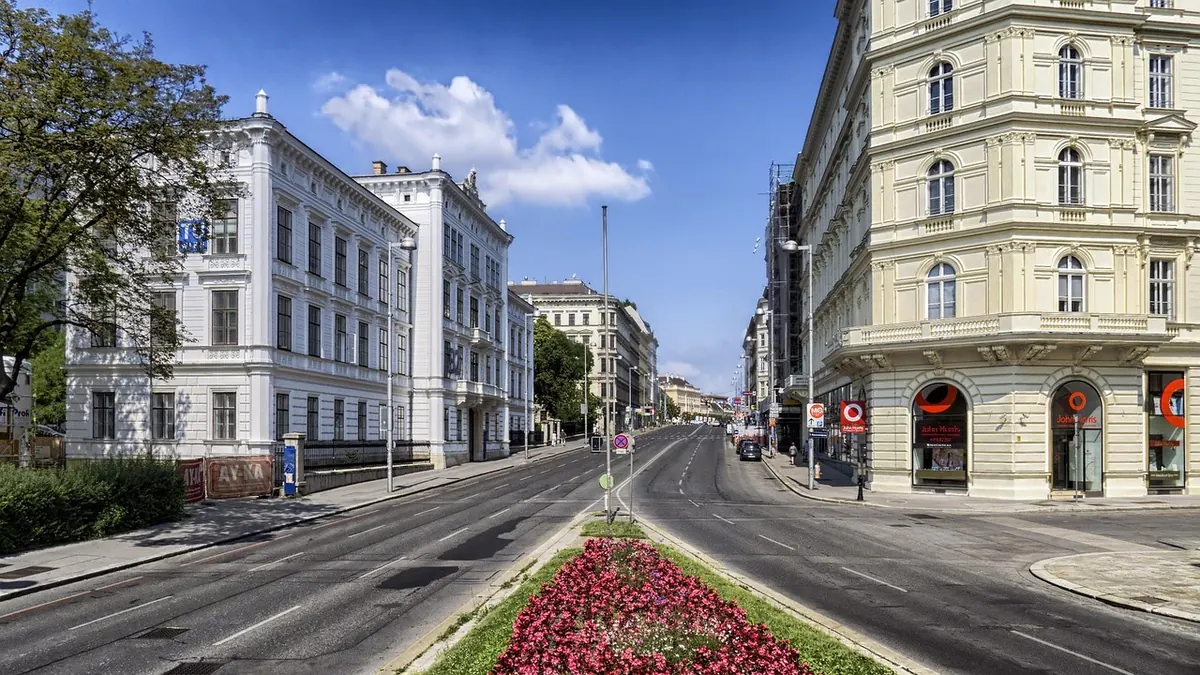
Photo: 12019 / Pixabay
A practical guide to eating well and cheaply in Lisbon, from family-run tascas and market counters to...
From school holiday pricing and cancellation terms to hidden fees and misleading locations, here's how to...
How to break Britain's longest National Trail into manageable day sections, with practical advice on...